What gives Inwall its force is its refusal to frame cohabitation as either rescue fantasy or gothic collapse. Shreve builds tension through accumulation: small permissions, altered routines, withheld speech, and incremental boundary shifts. The novel understands that captivity rarely announces itself at the door. It often arrives dressed as comfort.
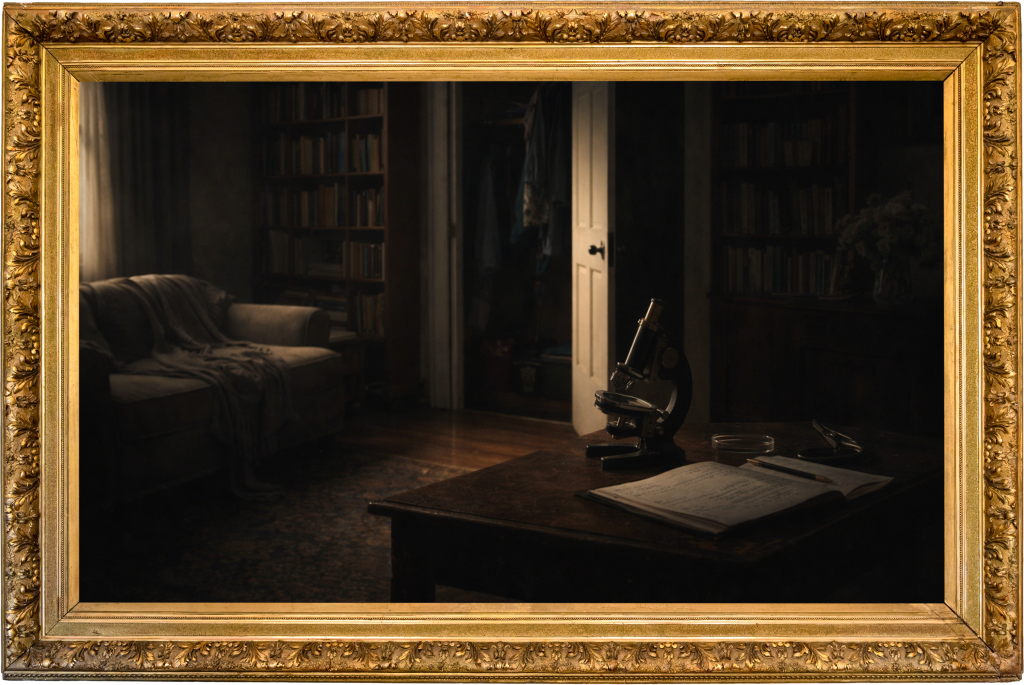
The prose is grounded in material detail, interior light, doorways, textures, table settings, sounds in adjacent rooms, and those details do structural work. Space in Inwall is dramaturgy. Rooms choreograph power; domestic rituals map who yields, who watches, and who decides what counts as care.
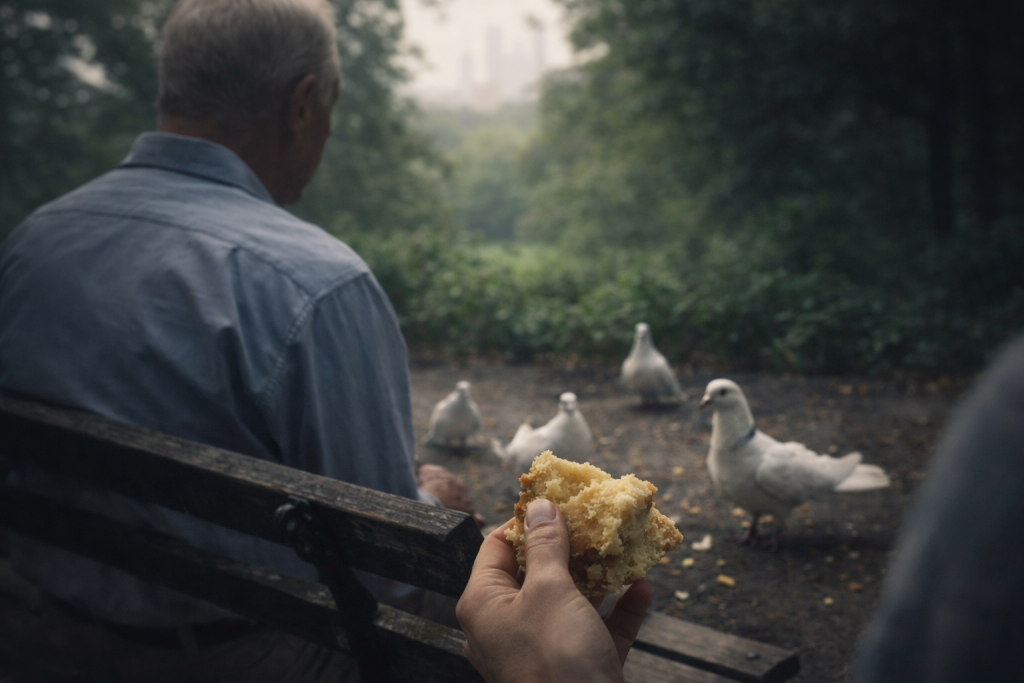
A central thematic engine is reciprocal projection. Each figure reads the other as solution, witness, and mirror, but never with full accuracy. That gap between need and perception gives the narrative its psychological voltage. Shreve is particularly strong at social micro-gestures: pauses, corrections, invitations, refusals, and the quiet administrative language by which emotional terms are set.
The novel’s lasting power comes from its tonal control. It remains eerie without tipping into abstraction, tender without sentimentality, and severe without losing compassion. By the end, Inwall does not offer easy liberation or total ruin. It offers something harder and truer: the recognition that intimacy without boundaries can mimic salvation while quietly eroding the self.