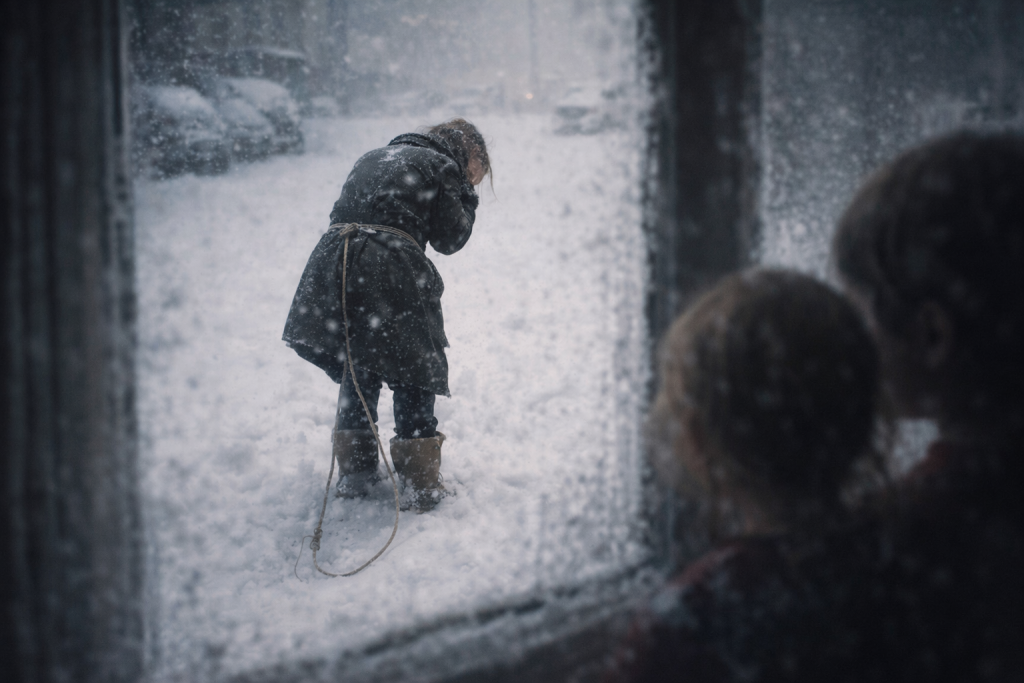
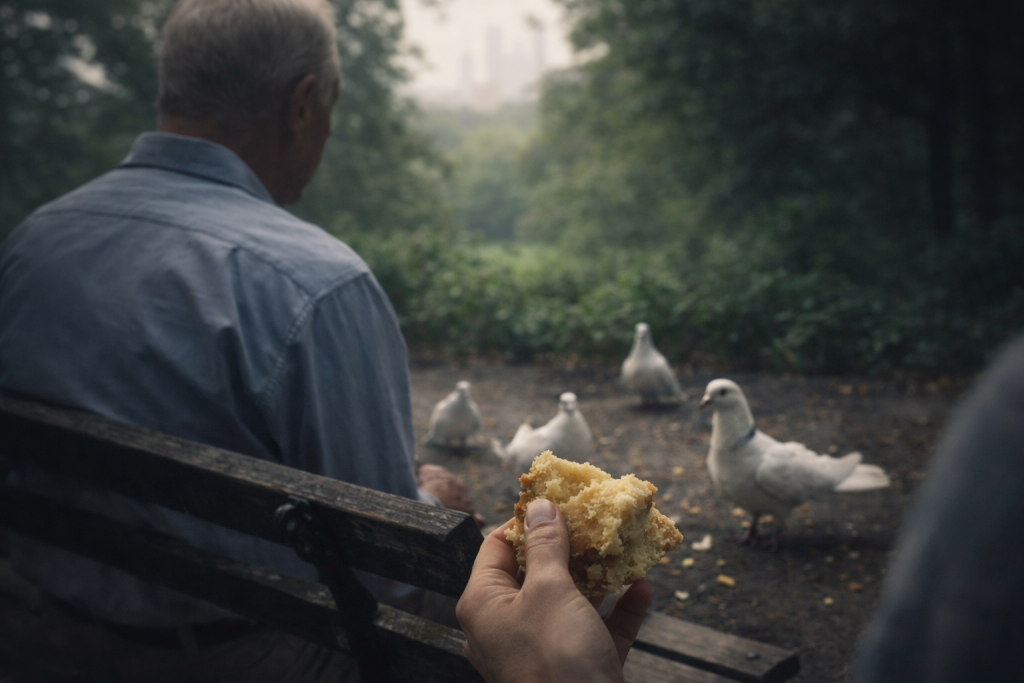
What gives “Mother of My Imagination” its depth is its refusal to simplify the mother figure into villain or saint. Shreve stages contradiction as the poem’s governing condition. The opening details are jarring and concrete, food gone bad, small humiliations, a broken doll, a vanished cat. These are not abstract grievances. They are domestic incidents with lasting psychic weight. Yet the poem does not remain in indictment. It turns, unexpectedly but convincingly, toward the mother as source of language and formation.
That turn is the poem’s central achievement. “And yet, it was because of her / That I won the spelling bee, / The writing prize.” The phrase “And yet” does enormous work. It is hinge, concession, and thesis at once. Shreve acknowledges that damage and gift can share an origin. The mother who failed in one register succeeded in another. The poem’s honesty comes from keeping both truths active at the same time.
Reading becomes the emotional archive where this relationship is most alive. The image of the mother in a “squeaky wicker chair,” reading The Secret Garden, extends outward through the maternal line, “as her mother read it once to her / (And her mother read it, too).” This intergenerational thread reframes inheritance as pattern rather than exception. Love may be fractured in direct expression, but culture, books, and intellectual hunger are transmitted with force and continuity.
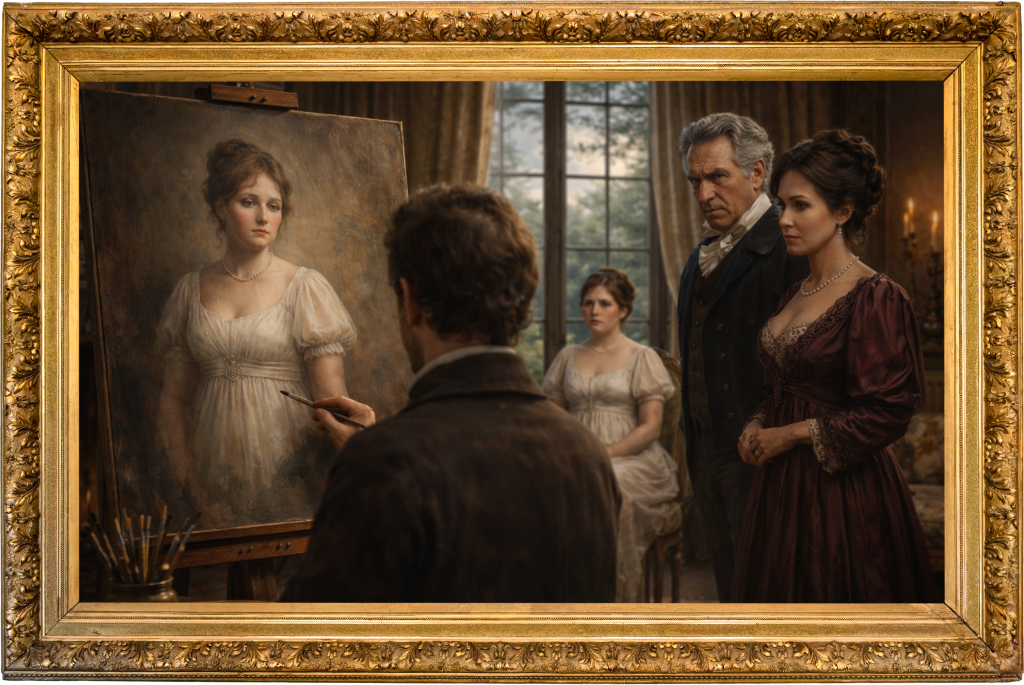
The Van Gogh image sharpens the poem’s sense of partial knowledge. The mother hangs the picture, gives the child the aesthetic frame, but withholds the biography, “his abbreviated life.” This becomes emblematic of the broader maternal paradox: introduction without explanation, cultivation without emotional scaffolding. Even the line “Her voice coming to life in books / As it never did outside” captures a painful asymmetry. Literature is animated; intimacy is muted.
By the close, Shreve names the paradox directly, “without transmitting love,” then leaves us with an anticipatory release: “It need not be secret any more…” The ending is restrained, but seismic. It suggests that speech itself can become an act of repair, not by erasing contradiction, but by articulating it. The poem’s lasting power lies in this moral and emotional precision. It does not seek verdict. It seeks truthful complexity, and finds it.