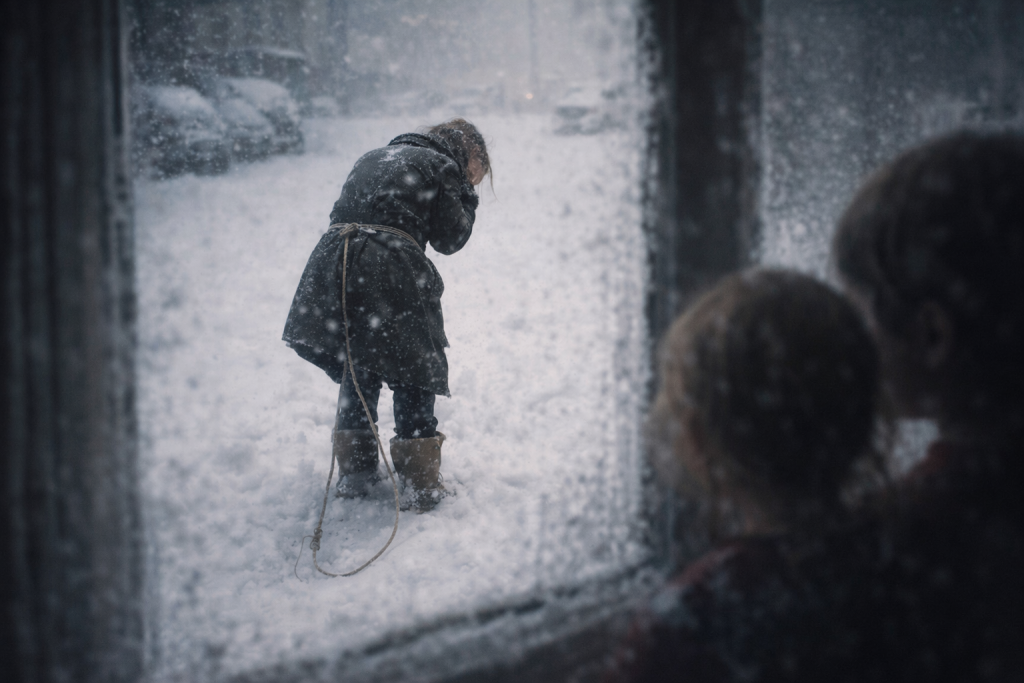
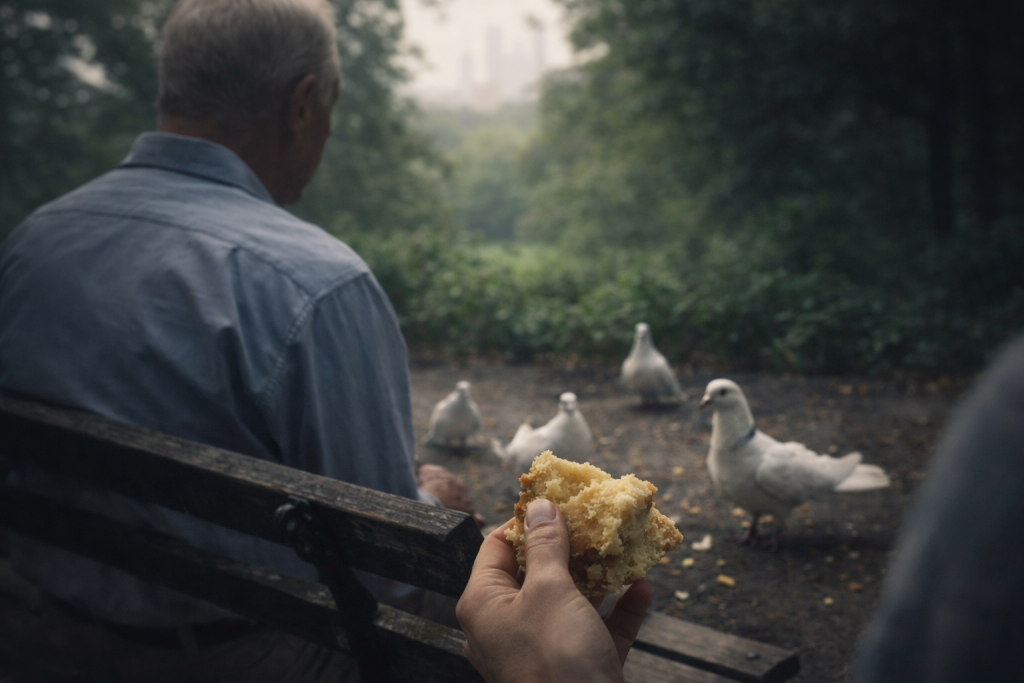
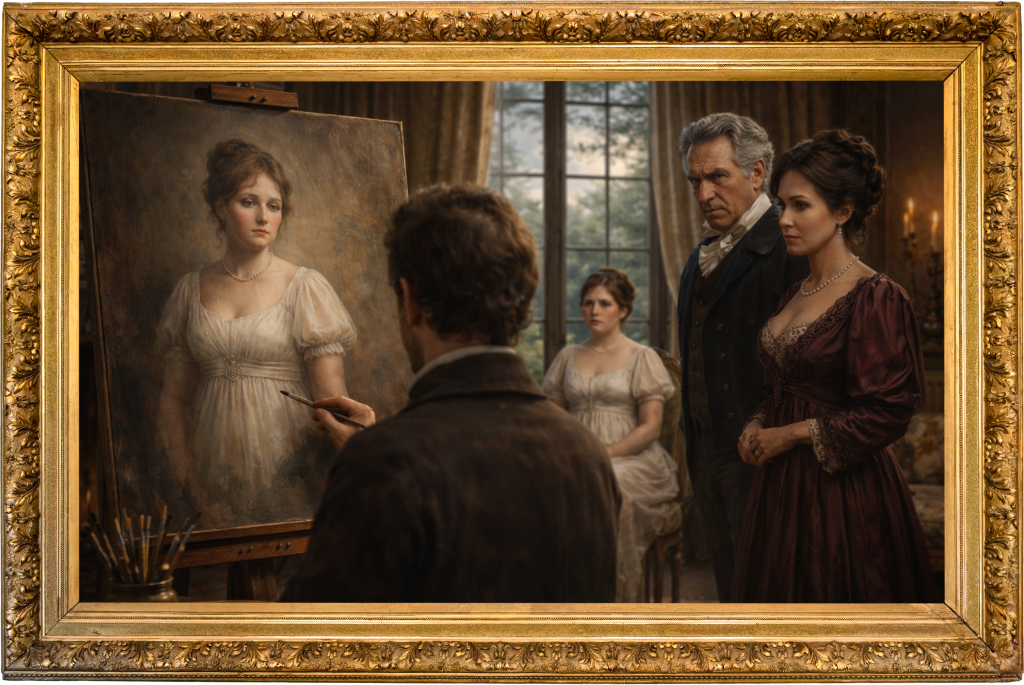
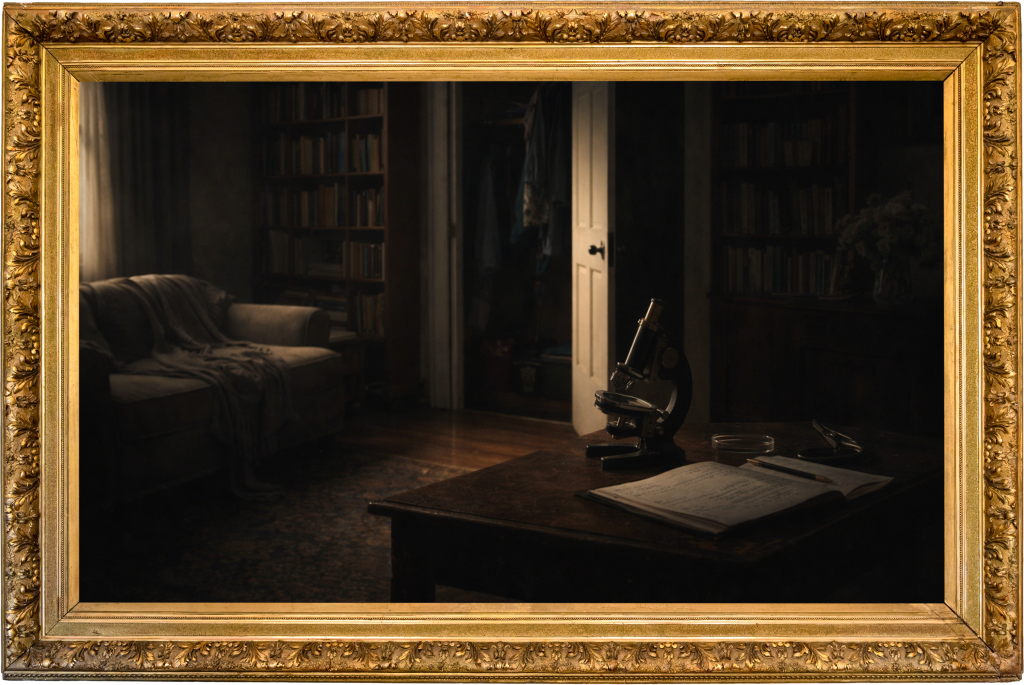
“New Life” is a poem of self-remaking that treats identity as something actively forged rather than passively inherited. Through images of minting, metal, bridges, doors, and untouched beds, Shreve maps the fragile exhilaration of beginning again. The speaker is both familiar and foreign to herself, rebuilding from damage while refusing to be defined by it. The poem’s emotional center is renewal with memory intact: not innocence, but chosen re-entry.

First published: 
2026

Published in

In “New Life,” Georgia Shreve frames reinvention as an act of craft. The opening movement, “Each new-minted day,” introduces a metalworking lexicon that runs through the poem: coinage, stamping, patina, imprint. This vocabulary makes renewal tactile and material, as if the self were hammered, pressed, and finished by lived experience rather than imagined into being.

The poem’s key tension is doubleness. The speaker is “a stranger to [her] ashes,” a striking phrase that suggests distance from former ruin even while standing in its shadow. Shreve resists a clean transformation narrative. Instead, she gives us reconstruction in process: “burnt bridges / pieced back together,” “turns unmade,” “doors unclosed.” The syntax feels hinge-like, opening and folding, mimicking the precarious mechanics of starting over.

One of the poem’s strongest features is its movement between intimacy and architecture. We pass from abstract becoming to concrete domestic image, “a new-made bed I’ve never slept [in],” where the self must inhabit what it has made. That image grounds the poem’s metaphysics in lived space: renewal is not just conceptual, it is where and how one wakes, rests, and continues.

The closing lines refine the central metaphor with elegant restraint: “a precious metal stamped with my own face, / with a delicate patina and no stains.” Patina implies history, not purity. The speaker does not erase age, damage, or contact. She claims authorship over surface and inscription. In that sense, “New Life” is less about becoming someone else than becoming unmistakably one’s own.

New Life

By Georgia Shreve

Each new-minted day,
Pressed from the same elements,
Comes to me shining
For me to put my print upon,
And each new love
Comes like a fresh life
To coin myself anew for,
Inventing myself
Like a stranger to [my] [ashes],
A stranger to [myself?],
…of burnt bridges
Pieced back together,
Turns unmade, doors unclosed,
Like a new-made bed I’ve never slept [in],
A precious metal stamped with my own face,
With a delicate patina and no stains.

Reading Notes

What gives this poem its staying power is how confidently it avoids cliché redemption language. Shreve does not say “healing” or “moving on” in abstract terms. She stages renewal through fabrication imagery: minting, stamping, coining, patina. That choice matters because it implies force, pressure, and contact. A new life is not found, it is made, and made under heat.

The first line is an especially effective aperture. “Each new-minted day” sounds celebratory at first, but minting is industrial and repetitive. The poem quietly acknowledges that even fresh starts emerge from “the same elements.” The world does not reset. What changes is the speaker’s relationship to recurrence. Agency enters through imprint: “for me to put my print upon.” The self becomes author, not artifact.

Mid-poem, Shreve introduces fracture and reassembly with excellent compression. “Burnt bridges / pieced back together” reverses a familiar idiom and turns it into a manual act of repair. Nearby, “turns unmade, doors unclosed” keeps the future open without pretending certainty. These are not triumphant lines. They are provisional lines, and that gives them emotional credibility.

The domestic image of “a new-made bed I’ve never slept [in]” is one of the poem’s best moves. It captures the uncanny phase of transformation where one’s own life feels both prepared and unfamiliar. The self has built a place to belong, but belonging is still rehearsal. That subtle estrangement keeps the poem from sentimentality.

The ending is quietly brilliant. “Patina” preserves the trace of time while “no stains” asserts chosen clarity. Together they create a nuanced ending: not untouched, not ruined, but intentionally finished. “New Life” succeeds because it treats reinvention as skilled labor, emotional metallurgy, and ethical choice.

Purchase Messages Never Sent today!

Now Available: Messages Never Sent, Georgia’s debut poetry book, at select Manhattan bookstores and on Kindle.

Explore more

Poetry

by Georgia

VIEW FEATURED WORK

Explore more works by Georgia

VIEW FEATURED WORK

Inspired by Georgia’s Work?

 If her creativity moved you, let her know! Click below to send a message of appreciation directly to Georgia.